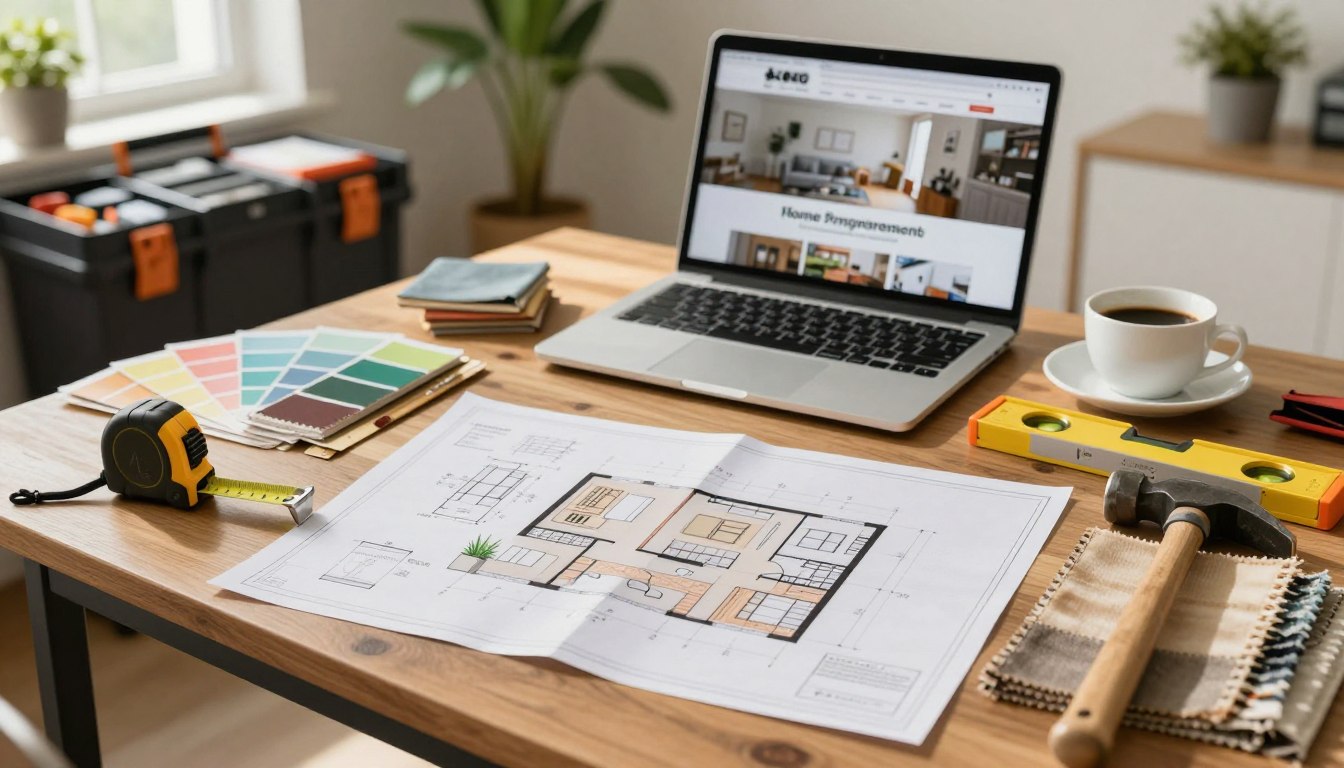
Did you know that nearly 30% of renovation tasks end up costing significantly more than the initial estimate? This often happens because many people jump into renovations without a clear strategy. A solid home improvement planning guide acts as your roadmap, helping you prioritize tasks and avoid expensive mistakes before you spend a single dollar.
Whether you are tackling small diy home projects or hiring professionals, having a defined vision is essential. By evaluating your needs and setting realistic goals early, you gain the confidence to make smart decisions. This article offers practical home improvement tips to ensure your vision stays on track, on time, and within your budget.
Key Takeaways
- Establish a clear budget before starting any renovation work.
- Prioritize essential repairs over aesthetic upgrades to maximize value.
- Determine which tasks you can handle yourself versus hiring experts.
- Create a realistic timeline to manage expectations and stress levels.
- Research materials and labor costs to prevent unexpected financial surprises.
Home Improvement Planning Guide: Define Goals, Priorities, and Project Scope
Successful home transformations begin with a solid plan that balances your dreams with reality. Before you purchase materials or hire help, you must understand exactly what your home requires. Effective budgeting for home improvements should start at this early stage to ensure your finances align with your vision.
Assess Your Home’s Needs and Set Improvement Goals
Separate Essential Repairs from Cosmetic Upgrades
Start by walking through your property to identify structural issues versus aesthetic desires. Essential repairs, such as fixing a leaky roof or updating faulty wiring, must always take priority over visual updates. Addressing these core needs first prevents costly damage later.
Match Projects to Your Lifestyle and Long-Term Plans
Consider how your home will serve you in the coming years. If you plan to sell soon, focus on high-return projects like kitchen refreshes. If this is your forever home, prioritize comfort and functionality that fits your daily routine.
Choose Projects That Fit Your Skill Level
Evaluate Suitable DIY Home Projects
Be honest about your experience with tools and construction. Simple tasks like painting walls, installing new cabinet hardware, or planting a garden are great for beginners. These projects save money and provide a sense of personal accomplishment.
Recognize Work That Requires Licensed Professionals
“The bitterness of poor quality remains long after the sweetness of low price is forgotten.”
Some tasks, such as plumbing, electrical work, or structural changes, carry significant risks. Always hire licensed professionals for these jobs to ensure safety and code compliance. Attempting complex work without proper training often leads to expensive mistakes.
Build a Practical Renovation Checklist
Document Measurements, Materials, Design Preferences, and Required Permits
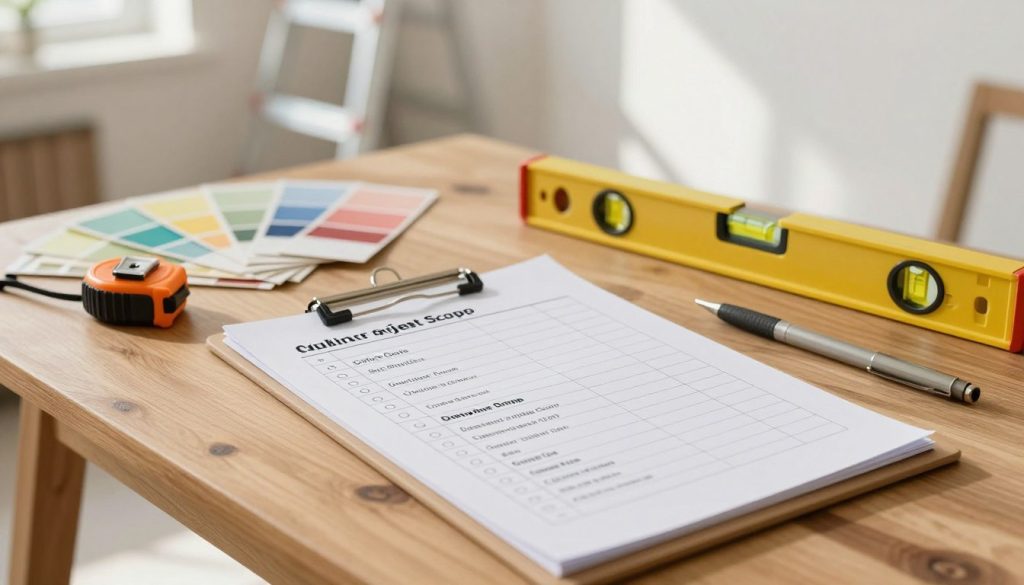
A detailed renovation checklist acts as your roadmap throughout the process. Start by recording precise measurements of your space and listing the materials you need. Research local building codes early, as obtaining necessary permits can take several weeks.
Gather Interior Design Inspiration and Outdoor Landscaping Ideas
Create a visual board to organize your style preferences. Whether you prefer modern minimalism or cozy farmhouse vibes, having a clear design direction keeps your project focused. Don’t forget to include outdoor landscaping ideas to ensure your home’s exterior matches your interior updates.
Create the Budget, Schedule, and Team for a Successful Renovation
Once you have a clear project scope, the next step is to build the framework that keeps your renovation on track. A well-structured plan prevents common pitfalls and ensures your project stays within your financial and personal limits.
Estimate Costs and Protect Your Home Improvement Budget
Account for Labor, Materials, Permits, Tools, and Delivery Fees
Start by itemizing every expense associated with your project. Labor costs often fluctuate based on local demand, so get specific quotes. Remember to include hidden fees like permit applications, specialized tool rentals, and delivery charges for heavy materials.
Set Aside a Contingency Fund for Unexpected Problems
Even the best plans encounter surprises behind walls or under floors. Always set aside a contingency fund of at least 15% to 20% of your total budget. This safety net allows you to pursue your interior design inspiration without the stress of running out of funds mid-project.
Compare Financing Options Without Overextending Your Budget
Explore various financing methods, such as home equity lines of credit or personal loans. Compare interest rates and repayment terms carefully to ensure they fit your monthly cash flow. Avoid overextending your finances, as this can turn an exciting renovation into a long-term burden.

Organize Projects with a Realistic Timeline
Sequence Repairs, Structural Work, Finishes, and Cleanup
Logical sequencing is the secret to a smooth renovation. Always complete structural repairs and rough-ins before moving to cosmetic finishes. This prevents damage to new surfaces and keeps your outdoor landscaping ideas aligned with the overall construction flow.
Allow Extra Time for Inspections, Weather, Shipping, and Delays
Construction rarely moves in a straight line. Build buffer time into your schedule to account for potential shipping delays, inclement weather, or city inspection backlogs. Patience is essential when managing complex home improvements.
Use Project Timeline Management to Track Milestones and Decisions
Use a digital calendar or a simple spreadsheet to track key milestones. Marking these dates helps you make timely decisions on material selections. Staying organized ensures that your interior design inspiration is executed exactly as you envisioned.
Find Reliable Contractors and Manage the Work
Verify Licenses, Insurance, References, and Online Reviews
Your team is the most important asset in your renovation. Always verify that your contractors hold valid licenses and carry adequate liability insurance. Check recent references and read online reviews to gauge their professional reputation.
Request Detailed Written Estimates from Multiple Contractors
Never settle for the first quote you receive. Request detailed written estimates from at least three different professionals to compare costs and scope. This practice helps you identify the best value for your specific needs.
Clarify Contracts, Payment Schedules, Change Orders, and Warranties
A solid contract protects both you and the contractor. Ensure the document clearly outlines the payment schedule, the process for handling change orders, and the terms of any warranties. Never pay in full before the work is completed to your satisfaction.
Follow Safety and Quality-Control Practices
Protect Family Members, Pets, Floors, Furniture, and Work Areas
Safety should always be your top priority during construction. Use dust barriers and protective coverings to shield your furniture and floors from debris. Keep pets and children away from active work zones to prevent accidents.
Check Materials, Measurements, Workmanship, and Permit Requirements
Regularly inspect the materials arriving on-site to ensure they match your order. Verify measurements and workmanship against your original plans throughout the process. Confirm that all work complies with local building codes and permit requirements.
Document Progress Before Approving Payments
Keep a photo log of the project as it progresses. Documenting the work behind the walls is particularly helpful for future maintenance. Review the quality of the work thoroughly before signing off on any milestone payments.
Conclusion
A successful renovation starts with clear priorities and a solid written plan. Using this home improvement planning guide gives you the structure needed to turn your vision into reality. You now possess the tools to manage your budget and track your progress effectively.
Mastering project timeline management keeps your milestones and inspections visible throughout the work. This approach prevents small delays from turning into major setbacks. You stay in control of your home while the transformation unfolds.
Focusing on finding reliable contractors remains the best way to protect your investment. Always document your agreements in writing to ensure everyone stays on the same page. Clear communication prevents costly mistakes and keeps your project moving forward.
Your dream home is within reach when you prepare with care. Start your journey today by applying these steps to your next renovation. Share your progress or reach out to local experts like HomeAdvisor or Angi to begin your search for skilled professionals.