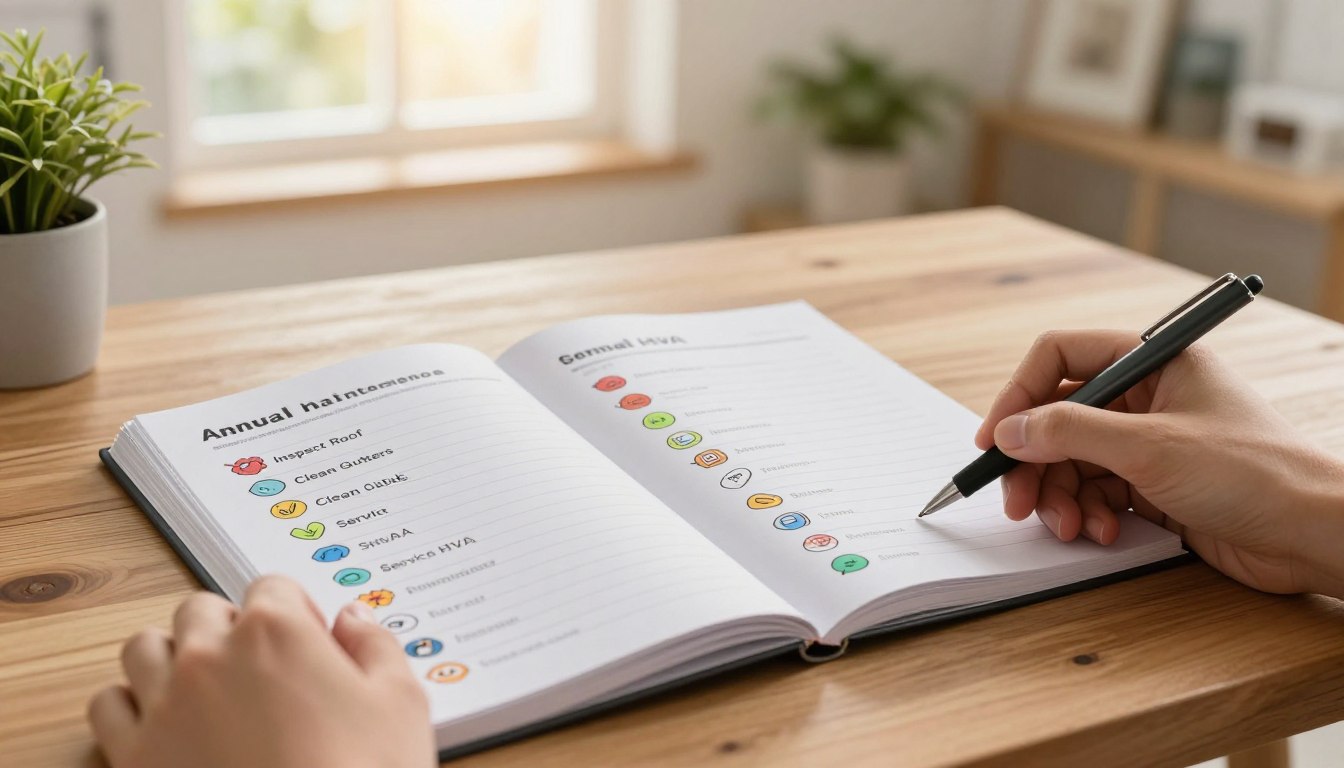
Did you know that American property owners spend over $10 billion every year on repairs that could have been prevented with basic upkeep? Many expensive disasters start as tiny issues that go unnoticed until they become major headaches. By adopting a proactive approach to yearly home care, you can protect your investment and save significant money over time.
Using an annual home maintenance checklist is a friendly, practical way to manage your property without feeling overwhelmed. This guide helps you organize tasks by season, ensuring you never miss a critical detail. You will find that staying ahead of the curve is much easier than dealing with emergency repairs later.
Performing regular home inspections allows you to spot water damage, pests, or safety hazards early. Our guide breaks down these responsibilities into manageable steps tailored for your lifestyle. Let’s make your property management stress-free and efficient starting today.
Key Takeaways
- Prevent costly repairs by catching small issues early.
- Organize your tasks seasonally to stay on track.
- Focus on safety hazards like smoke detectors and wiring.
- Use a structured plan to reduce stress and save time.
- Protect your property value through consistent, simple actions.
Build a Home Maintenance Schedule That Fits Your Year
A well-structured home maintenance schedule turns overwhelming chores into manageable habits. By taking a proactive approach, you can protect your property value and ensure your living space remains comfortable throughout the year. Consistency is the secret ingredient to successful home management.
Start With a Room-by-Room Inspection
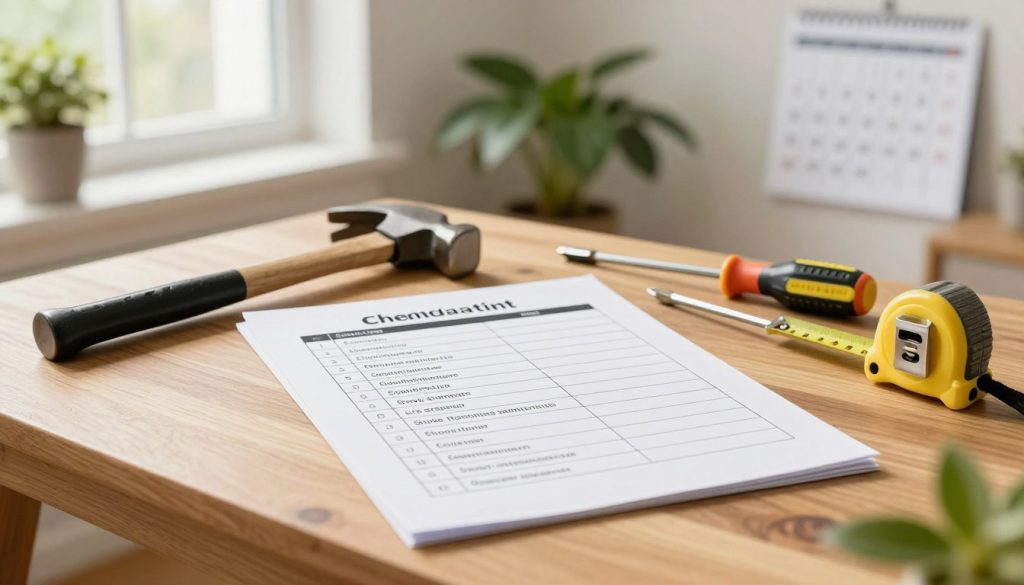
Before you commit to a calendar, walk through every area of your house to identify current needs. This initial audit helps you understand the specific requirements of your property. You should document every finding to create a clear roadmap for your essential home upkeep.
Check for Water Damage, Pests, Cracks, and Safety Hazards
Look closely at ceilings and under sinks for signs of water leaks or mold growth. Inspect baseboards and corners for pest activity, which often hides in dark, undisturbed areas. Finally, check for structural cracks in the foundation or walls and ensure all smoke detectors are functioning properly.
Organize Tasks by Season and Priority
Once you have your list, group your tasks based on urgency and the time of year. Some jobs, like cleaning gutters, are best handled in specific seasons to prevent damage. Organizing your home maintenance schedule this way prevents burnout and keeps your home in top shape.
Separate Essential Repairs From Routine Home Care
It is vital to distinguish between critical repairs and general cleaning. Essential home upkeep includes tasks like fixing a leaking roof or servicing the HVAC system to prevent major failures. Routine care, such as dusting vents or changing light bulbs, keeps the home running smoothly on a daily basis.
Track Repairs With a Home Maintenance Calendar
Using a dedicated calendar or digital app helps you stay accountable for your home’s health. When you write down your tasks, you are much more likely to complete them on time. This simple habit transforms your home maintenance schedule into a reliable tool for long-term success.
Record Dates, Costs, Warranties, and Professional Appointments
Keep a detailed log of every repair, including the date it occurred and the total cost. If you hire a professional, save their contact information and any relevant warranty documents in a central folder. Having this data ready makes future essential home upkeep much faster and less stressful for you.
Annual Home Maintenance Checklist for Every Season
Tackling specific chores each season ensures your home remains safe, comfortable, and efficient. By following a structured plan, you can address weather-related risks before they become costly repairs. Consistent seasonal home maintenance is the best way to protect your property value and keep your family secure.
Spring Home Maintenance Tasks
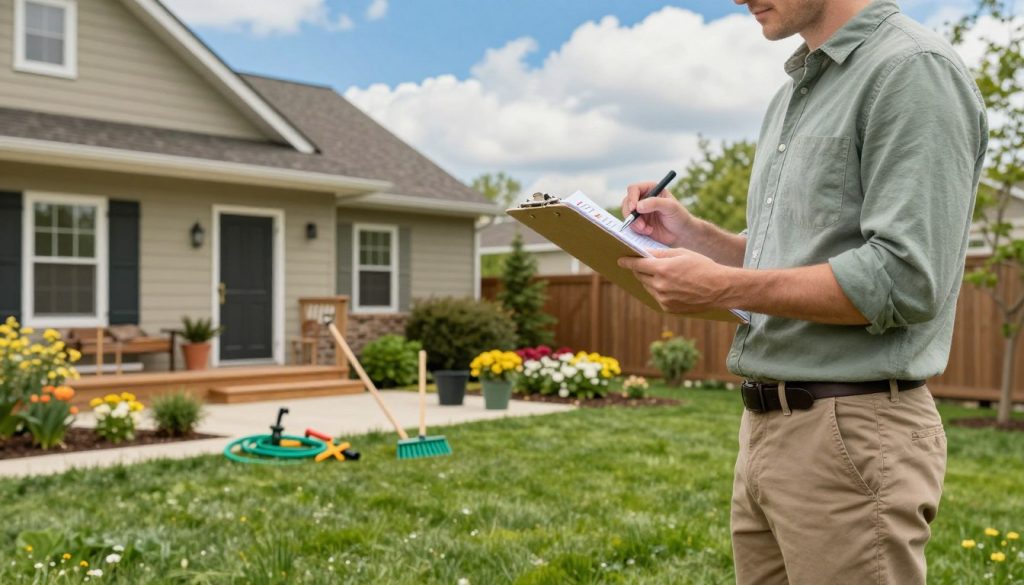
Clean Gutters and Downspouts
Clear away winter debris to ensure proper water flow. This prevents water from backing up and damaging your roof or siding.
Inspect the Roof, Siding, Windows, and Foundation
Look for signs of damage caused by winter storms. Early detection of cracks or loose shingles saves you money in the long run.
Service the Air Conditioner and Replace HVAC Filters
Schedule a professional tune-up to keep your cooling system running smoothly. Replacing filters improves indoor air quality and energy efficiency.
Test Sump Pumps, Sprinklers, Smoke Alarms, and Carbon Monoxide Detectors
Verify that all safety equipment is functional. These home maintenance tasks are vital for protecting your home from fire and water damage.
Summer Home Maintenance Tasks
Maintain the Yard, Trees, Deck, and Outdoor Drainage
Trim overgrown branches that could fall during storms. Ensure your deck is sealed and your yard drainage directs water away from the house.
Seal Gaps Around Doors and Windows
Check for air leaks to keep your home cool. Proper sealing reduces energy bills and keeps unwanted pests outside.
Inspect the Attic, Basement, Crawl Space, and Plumbing
Check these areas for moisture or signs of leaks. Keeping these spaces dry prevents mold growth and structural decay.
Protect the Home From Heat, Humidity, and Insects
Use dehumidifiers if necessary to manage indoor moisture. Stay vigilant against common summer pests that seek shelter in your home.
Fall Home Maintenance Tasks
Clean and Inspect the Chimney, Fireplace, and Heating System
Ensure your heating system is ready for the cold months ahead. A clean chimney is essential for fire safety.
Prepare Outdoor Faucets, Pipes, and Irrigation Systems for Freezing Weather
Drain hoses and shut off exterior water valves. This simple step prevents pipes from bursting when temperatures drop.
Rake Leaves Away From the Foundation and Clear Storm Drains
Prevent water buildup by keeping drainage paths clear. This is a critical part of seasonal home maintenance that protects your foundation.
Replace Batteries and Test Emergency Equipment
Update batteries in all smoke and carbon monoxide detectors. Reliable safety gear is a non-negotiable part of your home maintenance tasks.
Winter Home Maintenance Tasks
Prevent Frozen Pipes and Monitor Ice Dams
Keep your home warm enough to prevent freezing. Watch for ice dams on the roof that can cause leaks inside your walls.
Check Indoor Humidity, Insulation, and Drafts
Proper insulation keeps your home cozy and lowers heating costs. Use weatherstripping to seal any drafts around windows and doors.
Inspect the Water Heater and Watch for Plumbing Leaks
Check your water heater for signs of corrosion or leaks. Catching small plumbing issues now prevents major water damage later.
Keep Snow, Ice, and Carbon Monoxide Risks Under Control
Clear snow away from vents to ensure proper airflow. These home maintenance tasks are essential for maintaining a safe and healthy living environment throughout the winter.
Conclusion
Owning a home in the United States requires consistent attention to detail. A comprehensive home maintenance plan turns a long list of overwhelming repairs into smaller, manageable responsibilities that fit your lifestyle.
You gain peace of mind by tracking every detail in a dedicated home maintenance calendar. This tool keeps your records organized by storing receipts, warranty information, and service dates in one accessible location. It serves as a vital history of your property improvements.
Review your checklist often to stay ahead of potential issues. Adjust your priorities based on your specific climate, budget, and household needs. Small, regular actions prevent costly damage and keep your living space in top condition for years to come.
Start your journey toward a well-maintained property today. Your future self will appreciate the effort you put into preserving your home value right now.