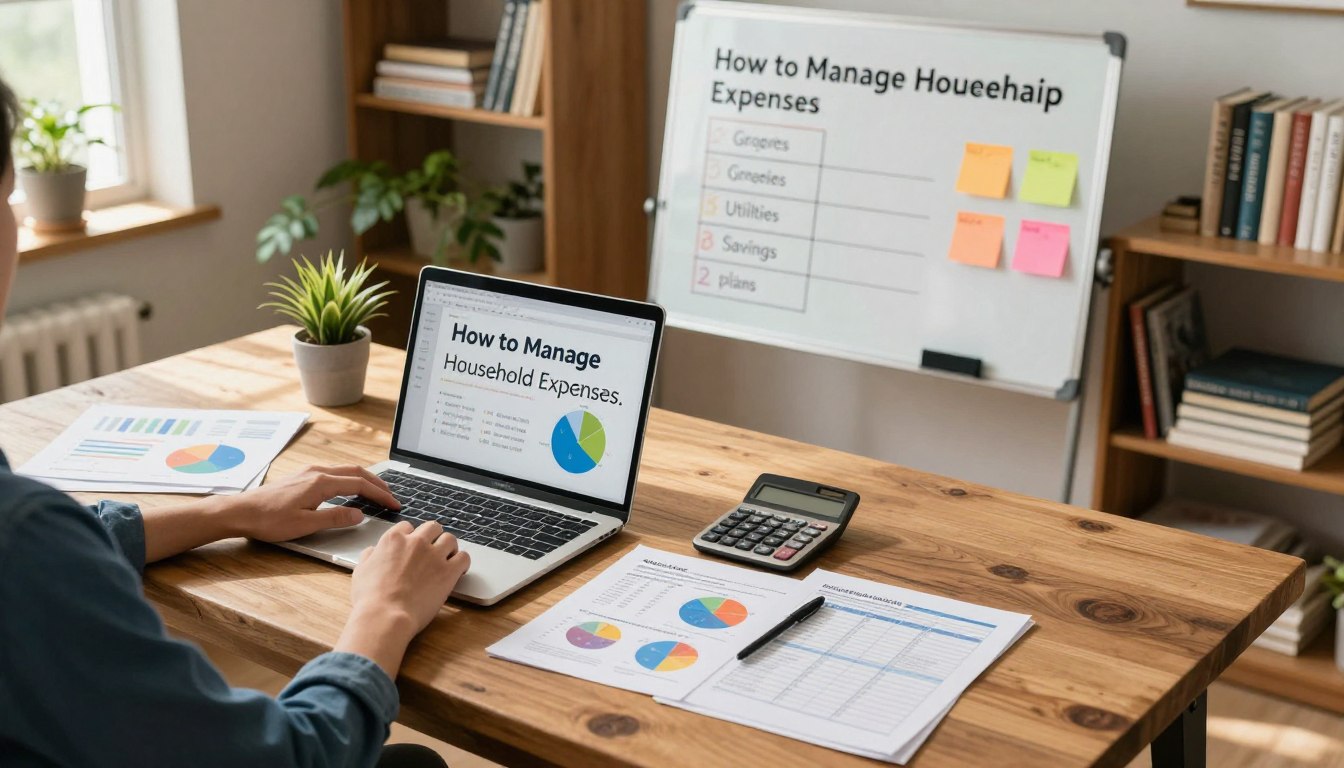
Did you know that nearly 60% of Americans report feeling anxious about their monthly finances? This common burden often stems from a lack of clarity rather than a lack of income. Learning how to manage household expenses does not require you to live a life of strict deprivation or constant sacrifice.
Instead, it is about creating a practical roadmap that aligns your spending with your personal values. This guide offers simple budgeting tips designed specifically for families across the United States. We focus on building a routine that brings peace of mind through organization.
Our approach covers everything from tracking daily costs to setting up automated bill payments. You will learn how to build an emergency fund without feeling overwhelmed. We also introduce the 50/30/20 framework as a flexible tool, not a rigid law, to help you balance your needs and wants effectively.
Key Takeaways
- Focus on creating a sustainable financial routine rather than restrictive rules.
- Organize your income, savings, and upcoming bills into a clear, visual system.
- Use automation to ensure your essential payments are always covered on time.
- Prioritize building an emergency fund to reduce long-term financial anxiety.
- Consider the 50/30/20 framework as a flexible starting point for your planning.
How to Manage Household Expenses by Building a Realistic Budget
Managing your household expenses effectively requires moving beyond guesswork and focusing on your real take-home pay. Financial planning is not about restricting your life, but rather about gaining control over where your money goes each month. By building a clear roadmap, you can reduce stress and ensure your hard-earned dollars support your long-term goals.

Calculate Monthly Take-Home Income
Include Paychecks, Benefits, and Reliable Side Income
Start your household budgeting process by looking at your actual bank deposits rather than your gross salary. Gross earnings often include taxes and insurance premiums that you never actually see in your account.
Be sure to include every reliable source of income. This covers your primary paycheck, consistent side hustles, and any recurring benefits or bonuses you receive regularly.
Separate Fixed, Variable, and Irregular Expenses
Account for Rent, Utilities, Groceries, Transportation, and Annual Bills
Once you know your income, categorize your spending to see where your money flows. Fixed expenses are costs that stay the same every month, such as rent or mortgage payments.
Variable expenses, like groceries and transportation, fluctuate based on your habits. Finally, remember to account for irregular expenses, such as annual insurance premiums or holiday gifts, by setting aside a small portion each month.
| Expense Type | Examples | Frequency |
|---|---|---|
| Fixed | Rent, Internet, Insurance | Monthly |
| Variable | Groceries, Gas, Dining | Weekly/Monthly |
| Irregular | Car Repairs, Annual Fees | Yearly/Occasional |
Choose Spending Limits That Fit Your Household
Adapt the 50/30/20 Framework to Your Priorities
A popular strategy for financial planning is the 50/30/20 rule. This framework suggests allocating 50% of your income to needs, 30% to wants, and 20% to savings or debt repayment.
“Do not save what is left after spending, but spend what is left after saving.”
You should feel free to adjust these percentages based on your unique situation. If you have high debt or childcare costs, you might need to shift your priorities to ensure your household budgeting remains sustainable and effective for your family.
Track Spending and Reduce Household Costs Without Feeling Deprived
Taking control of your money does not mean you have to stop enjoying your life. By implementing smart household budgeting habits, you can align your spending with your true priorities. This process is about making intentional choices rather than simply cutting back on everything you love.

Use a Simple Expense-Tracking System
Consistency is the secret to successful money management. When you maintain a clear view of your cash flow, you can spot potential issues before they become major financial hurdles.
Review Bank Statements, Credit Card Charges, and Cash Purchases Weekly
Set aside fifteen minutes every weekend to review your recent transactions. This expense tracking habit helps you identify patterns, such as recurring small charges that add up over time. By catching these leaks early, you keep your budget on track without needing to overhaul your entire lifestyle.
“Beware of little expenses; a small leak will sink a great ship.”
Find and Cut Unnecessary Expenses
Many households lose money on services they no longer use or value. Auditing your recurring costs is one of the most effective frugal living strategies available today.
Cancel Unused Subscriptions and Reduce Impulse Purchases
Check your digital subscriptions and gym memberships for services you have forgotten. If you do not use it, cancel it immediately to free up cash for your goals. To curb impulse buying, try waiting 48 hours before making any non-essential purchase to see if you still truly want the item.
Apply Practical Saving Money at Home Strategies
You can significantly lower your monthly overhead by making small adjustments to your daily routine. These changes often go unnoticed but provide substantial relief to your bank account.
Lower Grocery, Energy, and Household Supply Costs
Focus on meal planning to reduce food waste and avoid expensive takeout meals. You can also saving money at home by adjusting your thermostat by a few degrees or switching to energy-efficient light bulbs. Buying household supplies in bulk often leads to long-term savings that add up quickly.
Plan for Irregular Expenses and Emergencies
Unexpected costs often derail even the best-laid plans. Preparing for these events in advance prevents the need for high-interest debt when life happens.
Create Sinking Funds for Repairs, Medical Bills, Holidays, and Car Costs
A sinking fund is a dedicated savings account for specific, non-monthly expenses. By setting aside a small amount each month for car repairs or holiday gifts, you remove the stress of paying for these items all at once. This proactive approach is a cornerstone of sustainable household budgeting.
Automate Savings and Bill Payments
Human error is a common cause of missed payments and late fees. Automation acts as a safety net that keeps your financial life running smoothly.
Schedule Transfers Around Each Paycheck to Avoid Missed Payments
Set up automatic transfers to your savings accounts the day your paycheck arrives. By treating your savings like a mandatory bill, you ensure that you pay yourself first. Scheduling your utility and credit card payments to align with your pay cycle helps you maintain a positive cash flow and avoid unnecessary stress.
Conclusion
Building a stable future starts with a clear view of your take-home income and organized expense categories. Effective financial planning relies on creating a system that balances your needs with your long-term goals.
You can master saving money at home by combining automated bill payments with dedicated sinking funds for unexpected costs. These tools work together to remove the stress from your daily routine. You do not need to follow the 50/30/20 rule with perfect rigidity. Adapt this framework to match your unique household priorities.
Successful money management tips focus on consistency rather than perfection. Review your progress every week to identify small, sustainable adjustments. These minor shifts in your habits build the foundation for lasting wealth. Embrace these frugal living strategies to gain control over your finances and enjoy peace of mind every single day.
## FAQ
### Q: How do I begin the process of household budgeting if I’ve never done it before?
A: The best way to start is by looking at your actual take-home pay from your Chase or Bank of America statements rather than your gross salary. Use YNAB (You Need A Budget) or a simple Microsoft Excel sheet to list your fixed costs, like your mortgage or Verizon bill, and compare them to your variable spending. This is the first step in learning how to manage household expenses effectively without feeling overwhelmed.
### Q: What are some effective saving money at home strategies to lower monthly utility bills?
A: Implementing frugal living strategies can be as simple as installing a Google Nest thermostat to optimize energy use or switching to LED bulbs from Home Depot. Additionally, reviewing your pantry before shopping at Walmart or Kroger prevents duplicate purchases and reduces food waste, which are essential saving money at home habits that add up over time.
### Q: How can I use expense tracking to identify where my money is going?
A: Try a weekly check-in where you review your Apple Pay transactions and Visa credit card statements. This expense tracking practice helps you spot “subscription creep” from services like Netflix, Disney+, or Hulu that you might no longer use, making it one of the most effective money management tips for immediate impact on your bottom line.
### Q: Is the 50/30/20 rule the best approach for financial planning?
A: While popularized by Senator Elizabeth Warren, this framework is a flexible suggestion, not a strict rule. For successful financial planning, you should adapt those percentages—50% for needs, 30% for wants, and 20% for savings—to fit your specific reality, such as high childcare costs or aggressive debt repayment via SoFi or Northwestern Mutual plans.
### Q: What are the best budgeting tips for handling irregular costs like car repairs or holiday gifts?
A: One of the smartest budgeting tips is to set up “sinking funds.” You can use a high-yield savings account from Ally Bank or Marcus by Goldman Sachs to set aside small amounts each month for Amazon holiday shopping or annual AAA memberships. This ensures that these expected but irregular costs don’t derail your household budgeting efforts when they finally arrive.