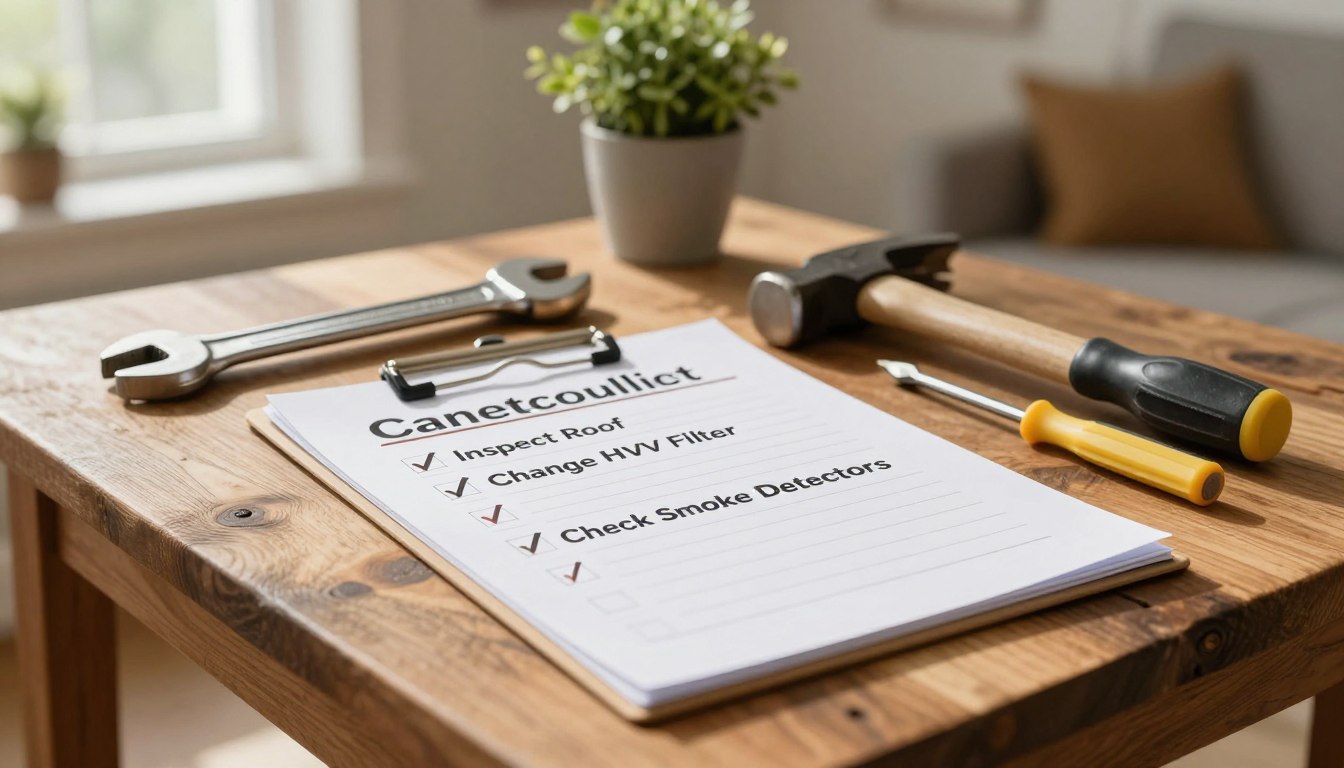
Did you know that neglecting minor property repairs can slash your total value by up to 10% over time? Staying ahead of small issues is the smartest way to protect your biggest investment.
Keeping your dwelling in top shape is vital for long-term comfort and safety. This guide organizes seasonal duties so you can address wear and tear before it turns into an expensive project. Use this home maintenance checklist as a flexible starting point for your property care.
You can easily adapt this residence maintenance checklist to fit your specific local climate, property age, and unique household needs. Taking a proactive approach ensures your living space remains functional and welcoming throughout the entire year.
Key Takeaways
- Proactive care prevents costly emergency repairs.
- Seasonal organization keeps tasks manageable year-round.
- Flexibility allows you to tailor steps to your specific property.
- Regular inspections protect your long-term financial investment.
- Adapting to local weather patterns improves overall durability.
Home Maintenance Checklist for Every Season
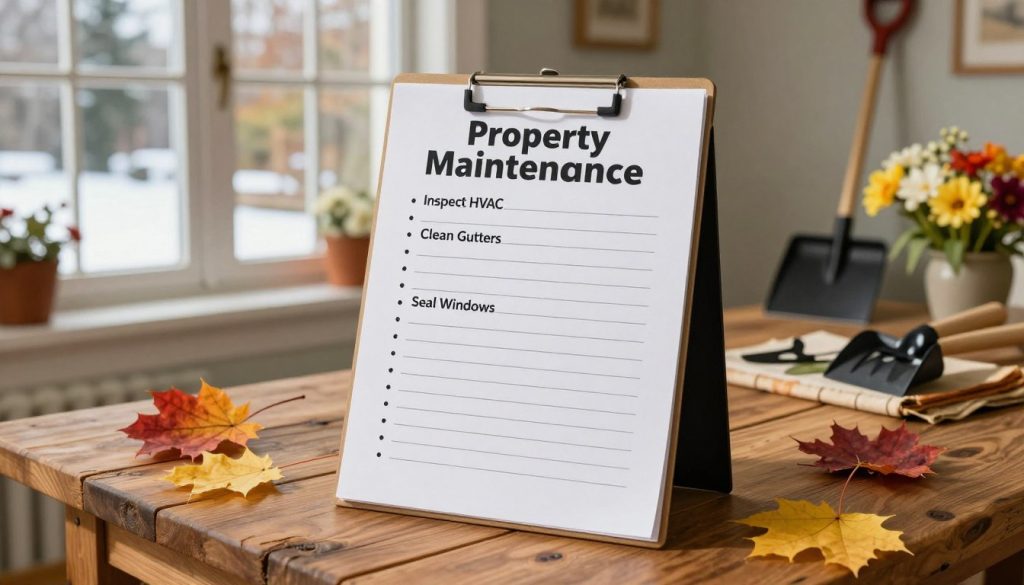
Seasonal transitions provide the perfect opportunity to refresh your property maintenance checklist. By aligning your chores with the changing weather, you can protect your investment and avoid expensive emergency repairs. Using a reliable maintenance tasks organizer helps you stay on track throughout the year.
Spring Tasks for Exterior Cleanup and Water Protection
Inspect the Roof, Gutters, Downspouts, and Foundation
Spring is the time to address damage caused by winter storms. Check your roof for missing shingles and ensure your gutters are free of debris to prevent water backup. Direct downspouts away from your foundation to keep your basement dry.
Check Siding, Windows, Doors, Decks, and Outdoor Faucets
Examine your siding for cracks and ensure window seals are tight. Inspect your deck for loose boards and test outdoor faucets for leaks. These steps prevent water intrusion and structural decay.
Summer Tasks for Cooling, Landscaping, and Outdoor Safety
Service the Air Conditioner and Replace HVAC Filters
High temperatures demand an efficient cooling system. Schedule a professional tune-up for your AC unit and replace air filters to improve indoor air quality. Clean vents to ensure maximum airflow throughout your home.
Maintain Irrigation, Lawns, Trees, Pools, and Outdoor Living Areas
Summer is ideal for landscaping care and pool maintenance. Trim overhanging tree branches that could threaten your roof during storms. Keep your irrigation system running smoothly to protect your lawn from heat stress.
Fall Tasks for Weather Readiness
Clean Chimneys, Fireplaces, Gutters, and Dryer Vents
Before the cold sets in, ensure your chimney is clean and safe for use. Clear out gutters one last time to prevent ice dams. Cleaning your dryer vent is also a critical safety step to prevent house fires.
Seal Drafts and Prepare Pipes for Freezing Temperatures
Apply weatherstripping to doors and windows to keep your home warm. Insulate exposed pipes in unheated areas to prevent them from bursting. These simple actions significantly reduce your energy bills.
Winter Tasks for Indoor Systems and Emergency Preparedness
Test Smoke Detectors, Carbon Monoxide Alarms, and Fire Extinguishers
Winter often means more time spent indoors with heating systems running. Test all safety alarms monthly and check that your fire extinguishers are fully charged. Your family’s safety depends on these functional devices.
Monitor Plumbing, Heating Equipment, and Ice-Related Hazards
Keep a close eye on your furnace performance during the coldest months. Clear snow and ice from walkways to prevent accidents. Regularly check for signs of frozen pipes or plumbing leaks.
| Season | Primary Focus | Key Task |
|---|---|---|
| Spring | Water Protection | Clean Gutters |
| Summer | Cooling Systems | Service AC |
| Fall | Weatherproofing | Seal Drafts |
| Winter | Safety Systems | Test Alarms |
Build a Practical House Maintenance Schedule
Keeping your home in top shape is much easier when you break tasks into manageable timeframes. By creating a consistent house maintenance schedule, you can avoid the stress of sudden breakdowns and protect your property value over the long term.
Monthly Maintenance Tasks to Prevent Costly Repairs
Test Safety Devices and Inspect for Leaks, Pests, and Moisture
Every month, take a few minutes to test your smoke detectors and carbon monoxide alarms. Ensuring these devices function correctly is a non-negotiable safety priority. While you move through the house, check under sinks and around toilets for any signs of moisture or small leaks.
Keep an eye out for signs of pests, such as droppings or unusual noises in the walls. Early detection of these issues prevents significant damage to your home’s structure.
Clean Filters, Drains, Vents, and Frequently Used Appliances
Clean or replace HVAC filters to maintain air quality and system efficiency. Clear out bathroom drains and kitchen sink strainers to prevent clogs before they become major plumbing headaches.
Wipe down dryer vents and clean the lint trap after every load. Regularly cleaning these high-use areas keeps your appliances running smoothly and reduces fire risks.
Quarterly and Semiannual Property Upkeep
Inspect Attics, Basements, Crawl Spaces, and Garages
Every few months, head into the hidden areas of your home to look for water stains or mold growth. These spaces are often the first to show signs of structural distress or pest intrusion.
Flush the Water Heater and Check the Sump Pump
Flushing your water heater removes sediment buildup, which extends the lifespan of the unit significantly. Test your sump pump by pouring a bucket of water into the pit to ensure it activates and drains properly.
Review Plumbing Shutoff Valves and Electrical Panels
Locate your main water shutoff valve and turn it slightly to ensure it is not seized. Check your electrical panel for any tripped breakers or signs of heat damage to keep your home’s power supply safe.
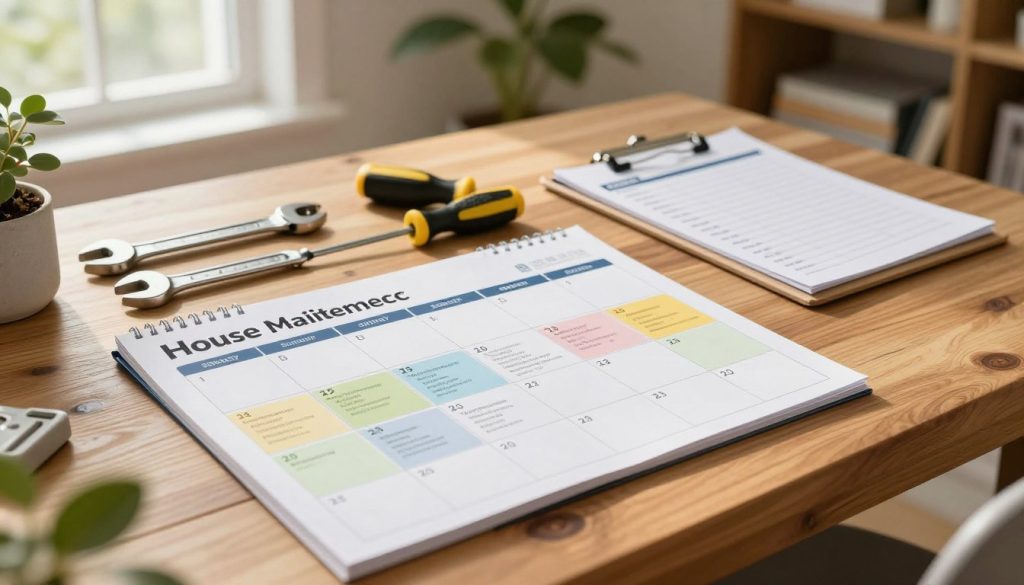
Annual Home Repair Calendar Priorities
Schedule Professional HVAC, Roof, Electrical, and Plumbing Inspections
Once a year, bring in licensed professionals to perform deep inspections. Experts can identify hidden issues with your roof, wiring, or pipes that you might miss during a casual walkthrough.
Renew Caulking, Paint, Weatherstripping, and Protective Finishes
Inspect the exterior seals around windows and doors. Applying fresh caulk or weatherstripping prevents drafts and keeps moisture from damaging your home’s siding or interior walls.
Review Home Insurance, Warranties, Permits, and Emergency Contacts
Take time to organize your important documents. Ensure your home insurance policy is up to date and that you have copies of all appliance warranties and recent repair permits in one secure location.
Organize a Household Maintenance Tracker
Record Completed Work, Costs, Receipts, and Contractor Details
Using a household maintenance tracker allows you to keep a detailed history of every repair. Documenting costs and receipts is essential for tax purposes and future home sales.
Set Reminders Based on Climate, Home Age, and Equipment Lifespan
Customize your schedule by considering your local climate and the age of your home. Older homes often require more frequent attention to plumbing and electrical systems than newer builds.
Use a Property Maintenance Checklist During Seasonal Walkthroughs
A reliable household maintenance tracker helps you stay organized throughout the year. By following a checklist during your seasonal walkthroughs, you ensure that no critical task is overlooked.
Conclusion
Consistent maintenance keeps your living space safe and prevents small issues from turning into expensive emergencies. You gain peace of mind when you catch leaks or system failures before they cause major damage.
A reliable property upkeep planner helps you stay organized throughout the year. You can track safety checks, professional inspections, and routine system servicing in one place. This tool ensures you never miss a critical task for your HVAC, plumbing, or roof.
Using a structured home repair calendar allows you to manage household responsibilities with ease. You should adjust your schedule based on your specific US climate and the age of your appliances. Tailoring your approach to your property condition makes the work manageable and effective.
Start your journey toward better home management today by creating a personalized home improvement planner. This simple step preserves the value of your house for years to come. Take control of your maintenance routine and enjoy a worry-free home environment.